Hemorrhoids After Cycling: Saddle Pressure, Sweat, and Relief Steps
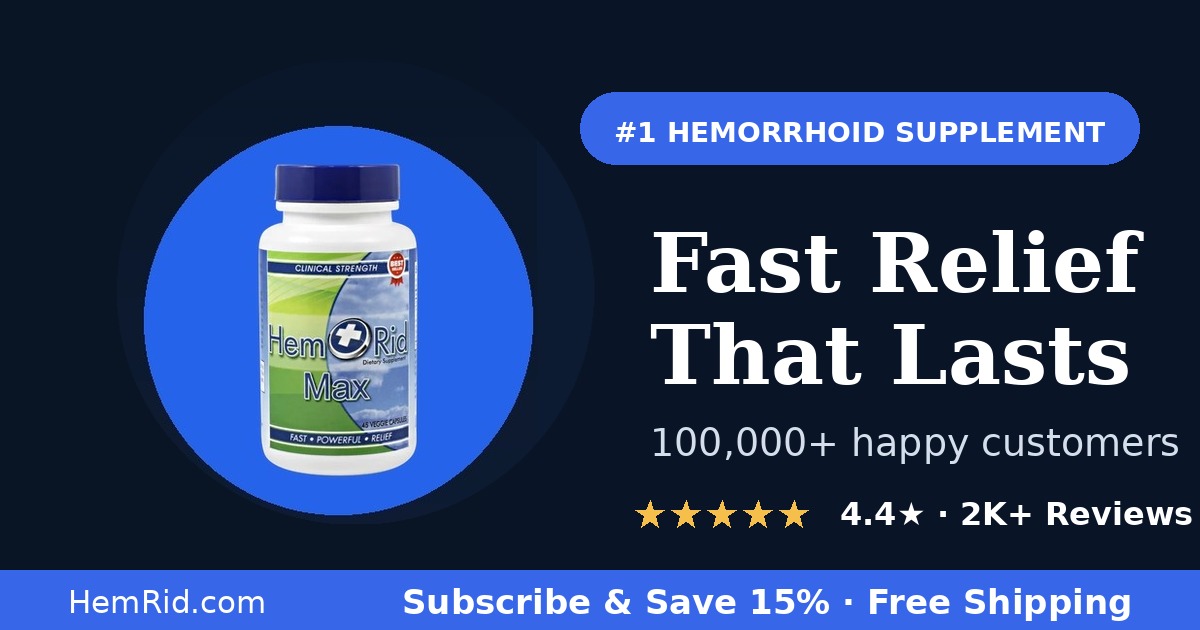
If hemorrhoids flare after cycling, start with saddle pressure, long sitting time, sweat, friction, dehydration, and hard stool. Cycling is different from running because the problem is less about impact and more about pressure against the saddle for a long stretch. A ride can make already irritated hemorrhoid tissue feel swollen, itchy, raw, or sore, especially if you rode in damp shorts, stayed tucked forward, pushed high resistance, skipped water, or strained on the toilet earlier that day. If the outside area is burning right now, HemRid Lidocaine Cream is the more direct same-day comfort comparison. If cycling flares keep repeating with hard stool, low fiber, travel, or long toilet sits, HemRid Max belongs in the daily support conversation.
A bike ride does not automatically make hemorrhoids worse. Many riders can ride comfortably once a flare settles. The trouble starts when pressure, sweat, friction, and stool issues stack together. A short relaxed ride in dry clothes may feel fine. A long hot ride after constipation, aggressive wiping, or a hard training block may feel completely different.
If it feels like a hemorrhoid popped or burst after cycling, do not squeeze it or try to drain it. Hemorrhoids can bleed. A thrombosed external hemorrhoid can sometimes open and drain blood or clot material, but you should not treat it like a pimple. Bright red blood on toilet paper can happen with hemorrhoids, but heavy bleeding, repeated bleeding, black stool, dizziness, fever, pus, blood mixed into stool, or severe pain needs medical guidance.
Persistent bleeding or pain needs a doctor, not a supplement.
The MedlinePlus hemorrhoids page lists pain, itching, swelling, and bleeding as common symptoms. The NIDDK hemorrhoid treatment page points to fiber, fluids, bowel habits, and medical care when symptoms do not settle. That is why a cycling flare needs both symptom relief and a look at pressure, hydration, stool consistency, and toilet habits.
Quick answer
Hemorrhoids after cycling usually point to saddle pressure, long sitting time, sweat, friction, dehydration, hard stool, or straining around the ride. For same-day external burning or tenderness, topical numbing may fit better than adding another supplement. For familiar repeat flares tied to constipation, straining, travel, low fiber, or pressure-heavy workouts, daily support and bowel-routine changes matter more.
| What happened after cycling | Likely issue | Better next step |
|---|---|---|
| Pressure or swelling after a long ride | Saddle pressure and time seated | Shorten the ride and check bike fit |
| Burning outside the anus | Irritated external skin | Compare lidocaine topical comfort |
| Itch after damp shorts | Sweat and friction | Rinse, pat dry, and change clothes |
| Flares after hard stool | Bathroom pressure | Work on fiber, fluids, and toilet time |
| Bleeding or severe pain | Needs closer attention | Stop pushing rides and get medical guidance |
Why cycling can trigger symptoms
Cycling puts your body weight on a narrow contact point. If the saddle presses directly into irritated tissue, symptoms can flare even without bouncing or heavy lifting. Long rides add time, heat, moisture, and friction. A spin class can do the same thing, especially if high resistance makes you brace through your abdomen and pelvic floor.
Bike fit matters. A saddle that is too high, too narrow, tilted badly, or putting you too far forward can increase pressure where you do not want it. Padded shorts may help some riders, but damp padding can also hold sweat against sensitive skin. The goal is not to buy every cycling accessory. The goal is to reduce direct pressure and keep the area clean and dry.
The bathroom part matters too. Dehydration, high-protein meals with little fiber, travel, caffeine, and delayed bathroom breaks can make stool harder. If you strained earlier in the day, the ride may simply expose irritation that already started on the toilet.
For related workout patterns, read Hemorrhoids After Running, Hemorrhoids After Treadmill, and Hemorrhoids After Cardio. Each one has a different trigger mix, but pressure, sweat, stool consistency, and recovery time keep showing up.
What to do today
If symptoms started during or right after a ride, back off long rides, hard climbs, and high resistance for a short window. You do not need to sit still all day. Easy walking, gentle mobility, upper-body work, or a very short low-pressure ride may be easier to tolerate while the area settles.
Clean the area gently after sweating. Rinse if you can, pat dry, and avoid aggressive wiping. Change out of damp cycling shorts quickly. If the outside skin burns, stings, or feels tender, HemRid Lidocaine Cream may fit temporary external comfort better than a cooling wipe or oral supplement. Follow the label, and do not use topical products on infected, worsening, or severely broken skin unless a clinician tells you to.
Warm water can help irritated tissue calm down. A sitz bath or gentle rinse is fine, but do not use temporary relief as permission to keep riding through sharp pain, repeated bleeding, or a hard lump that is getting worse.
How to adjust your next ride
Start with shorter rides and easier resistance. If a forty-five-minute ride flares symptoms, try ten to twenty minutes on flat ground or low resistance and see how your body responds. Stand briefly when safe, change position before numbness or pressure builds, and avoid grinding through high-resistance climbs while holding your breath.
Check the saddle. You may need a different shape, a better tilt, or a bike-fit adjustment. A saddle that feels fine when you are healthy can feel brutal during a flare. If indoor cycling is the problem, make sure the seat height and fore-aft position are not forcing extra pressure at the anus.
Clothing matters. Tight shorts, damp padding, rough seams, and long post-ride sitting can make the anal skin angrier. Shower or rinse after the ride, pat dry, and keep the area dry without scrubbing.
Fix the bathroom part too
If hemorrhoids show up after cycling again and again, check stool hardness, water intake, fiber intake, protein-heavy meals with little produce, travel, caffeine, and how long you sit on the toilet. The bike may be the trigger you notice, but constipation and straining may be the reason the tissue is ready to flare.
The American Family Physician hemorrhoids review discusses conservative steps such as fiber and behavior changes. This often matters more than changing workouts. If every bowel movement is a fight, swapping saddles will only solve part of the problem.
Read Hemorrhoids Keep Coming Back if flares repeat even when a cream helps for a day. Read Hemorrhoid Cream Not Working if topical products give short relief and then the same flare returns.
Where HemRid products fit
HemRid Max is an oral supplement. It does not numb a sore hemorrhoid during tonight's ride, and it is not a cure for bleeding, severe pain, or a thrombosed lump. HemRid Max is a better fit for familiar repeat flares where bowel routine, stool consistency, and daily pressure keep showing up.
Ask a clinician or pharmacist before using HemRid Max if you take blood thinners, blood pressure medicine, diabetes medicine, heart medication, stimulants, or several daily medications. Ask first if you are pregnant, breastfeeding, managing kidney disease, liver disease, heart disease, or a bowel condition. The NCCIH supplement safety guide is a useful reminder that supplements can still have side effects and interactions.
If you want same-day topical comfort plus daily support for familiar repeat flares, compare the Complete Care Bundle. Use the cream side for temporary external discomfort. Use the HemRid Max side only if the supplement cautions check out.
When to get checked
Stop self-treating and get medical guidance for rectal bleeding that is new, heavy, repeated, or mixed into stool. Get checked for black stool, dizziness, fever, pus, drainage, severe pain, unexplained weight loss, anemia symptoms, sudden bowel habit changes, or a hard painful lump that is getting worse.
Also get checked if cycling symptoms do not settle after you shorten rides, reduce saddle pressure, improve stool consistency, and stop irritating the skin. You can troubleshoot a bike flare, but you should not have to plan your rides around rectal pain or bleeding.
Frequently Asked Questions
Can cycling make hemorrhoids worse?
Yes. Saddle pressure, long sitting time, sweat, friction, dehydration, hard stool, or straining can make hemorrhoid symptoms feel worse after a ride.
Should I stop cycling with hemorrhoids?
You may need to shorten rides, lower resistance, adjust saddle pressure, or switch to easier movement while symptoms settle. Severe pain, repeated bleeding, or a worsening lump needs medical guidance.
What helps hemorrhoids after cycling?
Gentle cleanup, dry clothing, shorter rides, lower pressure, hydration, stool support, shorter toilet sits, and symptom-matched topical relief can help.
Is lidocaine or HemRid Max better after cycling symptoms?
Lidocaine fits temporary external burning or soreness. HemRid Max fits familiar repeat flares tied to stool routine or daily pressure, not same-day numbing.
When is bleeding after cycling serious?
Get medical guidance for heavy bleeding, repeated bleeding, black stool, blood mixed into stool, dizziness, fever, pus, severe pain, or a hard painful lump that is getting worse.
References
- MedlinePlus hemorrhoids: https://medlineplus.gov/hemorrhoids.html
- NIDDK hemorrhoid treatment information: https://www.niddk.nih.gov/health-information/digestive-diseases/hemorrhoids/treatment
- American Family Physician hemorrhoids review: https://www.aafp.org/pubs/afp/issues/2018/0201/p172.html
- NCCIH Using Dietary Supplements Wisely: https://www.nccih.nih.gov/health/using-dietary-supplements-wisely
- Cleveland Clinic hemorrhoids overview: https://my.clevelandclinic.org/health/diseases/15120-hemorrhoids
Ready for relief?
Try HemRid Max — fast-acting hemorrhoid relief from the inside out.
Try HemRid Max →