Hemorrhoids After Camping: Hard Seats, Bathroom Delays, and Relief Steps
Camping can make hemorrhoids flare when hard stools, delayed bathroom trips, long drives, hard camp chairs, hiking, lifting coolers, sweat, rough cleanup, low water intake, and alcohol all stack on tissue that was already irritated. If symptoms show up during a weekend trip or the morning after you get home, do not blame the tent alone. Look at the whole trip: constipation, holding stool, rough toilet paper, wipes that sting, long sitting, spicy food, camp coffee, dehydration, tight clothes, damp underwear, and carrying gear.
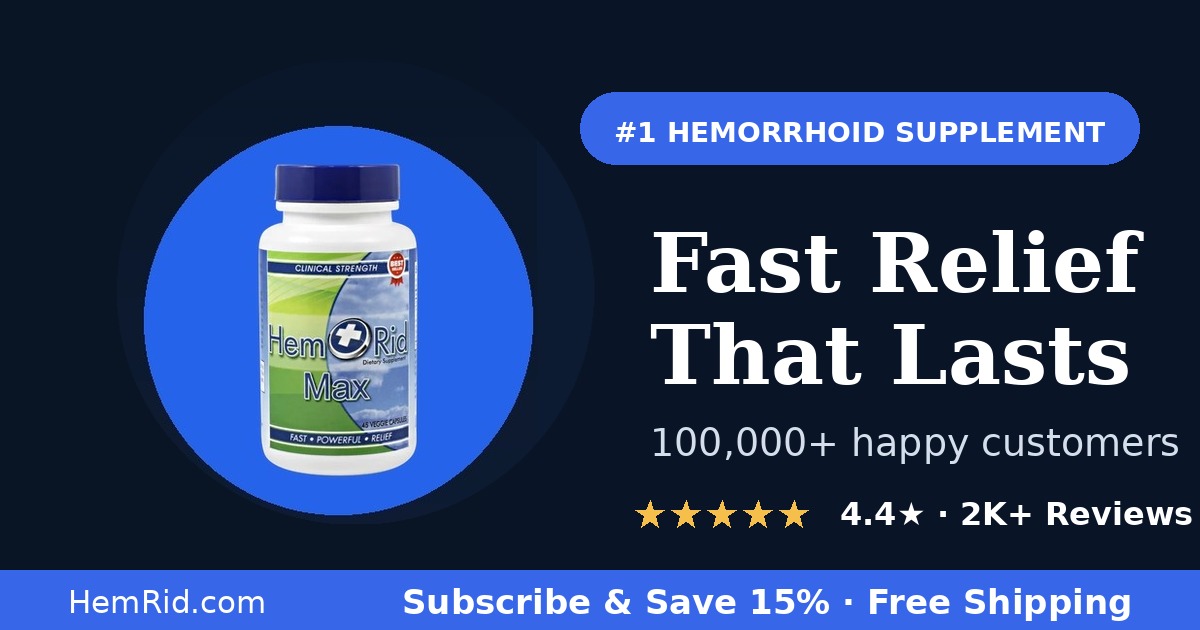
HemRid Lidocaine Cream may fit short-term outside burning, stinging, soreness, or tenderness after you clean the area and dry gently. HemRid Max fits a different pattern: repeat flares tied to hard stools, straining, travel, dehydration, long sitting, and recurring pressure. Neither one replaces medical care for heavy bleeding, severe pain, fever, pus, drainage, black stool, blood mixed into stool, dizziness, or a hard painful lump that keeps getting worse.
Do not try to pop, squeeze, lance, or drain a hemorrhoid or painful lump at camp. A bright red streak after wiping can come from irritated tissue, but repeated bleeding, worsening swelling, or a painful lump during a trip is not something to test with another hike.
Persistent bleeding or pain needs a doctor, not a supplement.
Quick answer
Hemorrhoids after camping usually come from travel, bathroom timing, stool changes, and friction stacking together. You may sit for hours on the drive, drink less water, eat salty or spicy camp food, hold a bowel movement because the bathroom setup is awkward, use rough paper, sweat in the same clothes, lift gear, hike, squat, and sit around a fire in a hard chair. Add constipation or diarrhea, and a familiar flare can feel sharper by the end of the trip.
For a mild familiar flare, make the next few days less irritating. Keep stool soft, avoid straining, shorten toilet time, clean gently, wear loose breathable clothing, and avoid sitting directly on the sore spot for long stretches. Use topical comfort when the outside skin burns or aches. If the same camping flare keeps repeating, fix the water, fiber, bathroom kit, cleanup, sitting setup, and travel routine instead of only packing more cream.
| Camping trigger | What it can feel like | First adjustment |
|---|---|---|
| Holding stool because bathrooms are awkward | Pressure, fullness, harder stool later | Plan bathroom timing before symptoms build |
| Long drive and hard camp chairs | Aching or soreness that builds while sitting | Walk during stops and use a softer seat setup |
| Low water, alcohol, coffee, and salty food | Hard stool, straining, bright red streaks | Start water earlier and keep fiber steady |
| Hiking, squatting, and lifting gear | Pressure, tugging, or tenderness | Scale back heavy carries while flared |
| Sweat, rough paper, wipes, and damp clothing | Burning, itching, rubbing, or stinging | Clean gently, dry well, and change clothes |
NIDDK describes hemorrhoids as swollen veins around the anus or lower rectum. NIDDK treatment guidance points to fiber, fluids, and bowel-habit changes as common conservative steps. That matters for camping because many flares are not only a sitting problem. They are also a stool, hydration, toilet-time, cleanup, clothing, and friction problem.
Why camping can trigger a flare
Camping changes the routine that usually keeps bowel movements predictable. You may wake up in a tent, skip your normal breakfast, drink coffee before water, eat more processed food, use less comfortable bathrooms, and delay going because the setup feels inconvenient. That delay can make stool drier and harder to pass.
The activity side matters too. You lift coolers, haul firewood, carry packs, set up tents, squat near gear, hike, climb in and out of low chairs, and sit around camp for hours. None of that means one camping weekend creates a hemorrhoid from nothing, but it can make already swollen tissue feel heavier, hotter, or more tender.
Cleanup can be the hidden trigger. Rough campground paper, scented wipes, repeated wiping, creek or lake water, sweat, dirt, and damp underwear can irritate the skin around the anus. If burning and itch are louder than deep pressure, friction and moisture may be doing as much damage as sitting.
MedlinePlus lists pain, itching, swelling, and rectal bleeding among hemorrhoid symptoms. MedlinePlus constipation guidance points to fluids, fiber, and activity as basic supports. Camping may include plenty of walking, but low water intake, alcohol, salty food, and delayed bathroom trips can still leave the next bowel movement harder than usual.
Pack a hemorrhoid-friendly bathroom kit
A small bathroom kit can prevent a mild trip from turning into a week of irritation. Pack soft unscented toilet paper, plain water or gentle rinse options, a clean towel or tissue for patting dry, breathable underwear, a sealable bag for trash where appropriate, and any topical product you already tolerate. Do not test a new scented wipe for the first time in the woods.
Plan bathroom timing instead of waiting until the last second. If you usually go in the morning, protect that window. Drink water before coffee. Eat something with fiber that your stomach already knows. Do not sit and strain in a campground bathroom because you feel rushed or embarrassed.
If constipation is part of the cycle, read Hemorrhoids After Constipation. If loose stool and wiping are the bigger issue, read Hemorrhoids After Diarrhea.
How to adjust the trip while symptoms are hot
You do not have to treat every mild flare like a reason to cancel camping. Make the trip less irritating. Take walking breaks during the drive, avoid sitting in a hard chair for hours without moving, use a controllable pack weight, split heavy cooler or firewood carries, and skip the extra hike if symptoms are getting hotter.
Wear breathable clothing that does not rub the anal area. Change out of damp underwear when you can. Rinse or shower after sweaty hikes if the campground allows it, then dry gently. If your flare gets worse after sitting by the fire, stand and walk for a few minutes instead of forcing another hour in the same chair.
If sitting is the main problem, Hemorrhoid Pain When Sitting is a better next read. If the flare feels tied to travel and sitting, compare Hemorrhoids After Road Trip. If hiking or activity pressure seems louder, read Hemorrhoids After Hiking, Hemorrhoids After Walking, and Hemorrhoids After Weight Lifting.
When HemRid Lidocaine Cream fits
HemRid Lidocaine Cream fits the short-term external comfort lane. Think burning, stinging, soreness, tenderness, or pain around the outside skin after rough wiping, sweat, damp clothing, hard chairs, hiking, squatting, or a long drive. Lidocaine numbs surface discomfort. It does not fix constipation, dehydration, repeated bleeding, or a worsening lump.
Use it only as directed. Do not apply it deep internally unless the label says to. Do not stack multiple medicated creams because the first one did not solve a bathroom or stool trigger. If the outside area is irritated, topical numbing may help you get through the uncomfortable stretch while the tissue calms.
If itching is the main problem, Best Hemorrhoid Treatment for Itching explains the difference between itch from moisture, wiping, inflammation, and product irritation.
When HemRid Max may fit
HemRid Max fits the recurring-support lane. It makes more sense when flares keep showing up around hard stools, straining, dehydration, travel, long sitting, and repeat pressure. If one camping trip irritated the area and everything settles after a few days, daily support may not be necessary.
If the same cycle keeps coming back, surface numbing alone may not be enough. Stool consistency, hydration, fiber, movement, toilet habits, and internal support become more relevant. For topical comfort plus daily support, compare the Complete Care Bundle. For broader buying and product-fit context, Hemorrhoid Relief Products Online covers creams, wipes, supplements, seller checks, and safety fit.
HemRid Max is not emergency care. Ask a clinician before using supplements if you are pregnant, postpartum, breastfeeding, taking blood thinners, preparing for surgery, managing liver or kidney disease, or taking daily prescriptions.
If it feels like it popped or burst while camping
A sudden streak of bright red blood while camping can make it feel like a hemorrhoid popped or burst. Sometimes irritated hemorrhoid tissue bleeds after hard stool, wiping, pressure, sweat, sitting, hiking, or a long drive. Sometimes a painful external lump changes. Sometimes the bleeding is not from a hemorrhoid at all.
Use plain pressure for minor bright red bleeding, clean gently, and watch the trend. Do not squeeze, lance, poke, or try to drain the area. Get medical care if bleeding is heavy, keeps coming back, looks dark, mixes into stool, comes with dizziness, or appears with severe pain, fever, pus, drainage, or a hard lump that is getting worse.
For the direct pop or burst question, read Can Hemorrhoids Pop or Burst?. If the outside lump is hard and very painful, read Thrombosed Hemorrhoid before assuming it is safe to wait.
When to get medical care
Get help for heavy rectal bleeding, repeated bleeding, black stool, blood mixed into stool, severe anal pain, a hard painful lump that is worsening, pus, drainage, fever, dizziness, fainting, unexplained weight loss, anemia symptoms, or a sudden bowel-habit change.
Get checked if symptoms do not improve after a short rest-and-reset period, if pain keeps you from sitting, walking, driving, hiking, sleeping, or using the bathroom normally, or if you are not sure the lump is a hemorrhoid. Cleveland Clinic's hemorrhoids overview treats severe pain and bleeding as reasons to be evaluated. Harvard Health's hemorrhoid self-care advice centers on fiber, fluids, exercise, and shorter toilet time, which are the basics that often decide whether a camping flare calms down.
Bottom line
Hemorrhoids after camping are usually about bathroom delays, hard stools, low water, long drives, hard seats, lifting gear, hiking, sweat, rough cleanup, damp clothing, alcohol, and camp food colliding on the same trip. Calm the outside irritation, make the next bowel movement easier, and reduce sitting and friction for a few days.
If the flare is mild and familiar, you may be able to keep camping with smarter preparation. If bleeding repeats, pain gets severe, fever or drainage appears, or a hard lump gets worse, stop treating it like a simple camping flare and get checked.
Frequently Asked Questions
Can camping make hemorrhoids worse?
Yes. Long drives, hard camp chairs, delayed bathroom trips, constipation, dehydration, rough cleanup, hiking, lifting gear, sweat, damp clothing, alcohol, and camp food can aggravate hemorrhoid tissue that is already swollen or irritated.
How do I prevent hemorrhoid flare-ups while camping?
Drink water early, keep fiber steady, do not delay bowel movements, pack soft unscented toilet paper or a gentle rinse option, change out of damp clothing, take sitting breaks, and avoid straining.
Can a hemorrhoid pop or burst while camping?
Pressure, hard stool, sweat, wiping, hiking, or sitting may be followed by bright red bleeding from irritated tissue, but you should not squeeze or drain a lump. Heavy, repeated, dark, or painful bleeding needs medical care.
When does HemRid Lidocaine Cream fit after camping?
HemRid Lidocaine Cream may fit short-term external burning, stinging, soreness, tenderness, or pain after rough wiping, sweat, hard seats, hiking, squatting, damp clothing, or a long drive. It does not fix constipation, dehydration, or a worsening lump.
When does HemRid Max fit after camping?
HemRid Max may fit recurring flares tied to hard stools, straining, dehydration, travel, long sitting, and repeat pressure. It is not emergency care for severe pain or repeated bleeding.
References
- NIDDK hemorrhoids overview: https://www.niddk.nih.gov/health-information/digestive-diseases/hemorrhoids
- NIDDK hemorrhoid treatment information: https://www.niddk.nih.gov/health-information/digestive-diseases/hemorrhoids/treatment
- MedlinePlus hemorrhoids: https://medlineplus.gov/hemorrhoids.html
- MedlinePlus constipation: https://medlineplus.gov/constipation.html
- Cleveland Clinic hemorrhoids overview: https://my.clevelandclinic.org/health/diseases/15120-hemorrhoids
- Harvard Health hemorrhoids self-care: https://www.health.harvard.edu/diseases-and-conditions/hemorrhoids_and_what_to_do_about_them
Ready for relief?
Try HemRid Max — fast-acting hemorrhoid relief from the inside out.
Try HemRid Max →